
Transmission Repair
Transmission Repair in Richfield That Restores Your Drive
A failing transmission changes how your car feels—slipping between gears, hesitating, or refusing to shift at all. Because transmission problems rarely fix themselves, waiting usually makes the repair more expensive. At Stall One Automotive, we diagnose transmission issues for drivers from Richfield and across the South Metro. Because we test before we recommend, you get answers based on evidence rather than guesswork.
If your transmission is slipping, hesitating, or making unusual noises, don’t wait. Contact us to schedule a diagnostic appointment or call 952-260-1362.
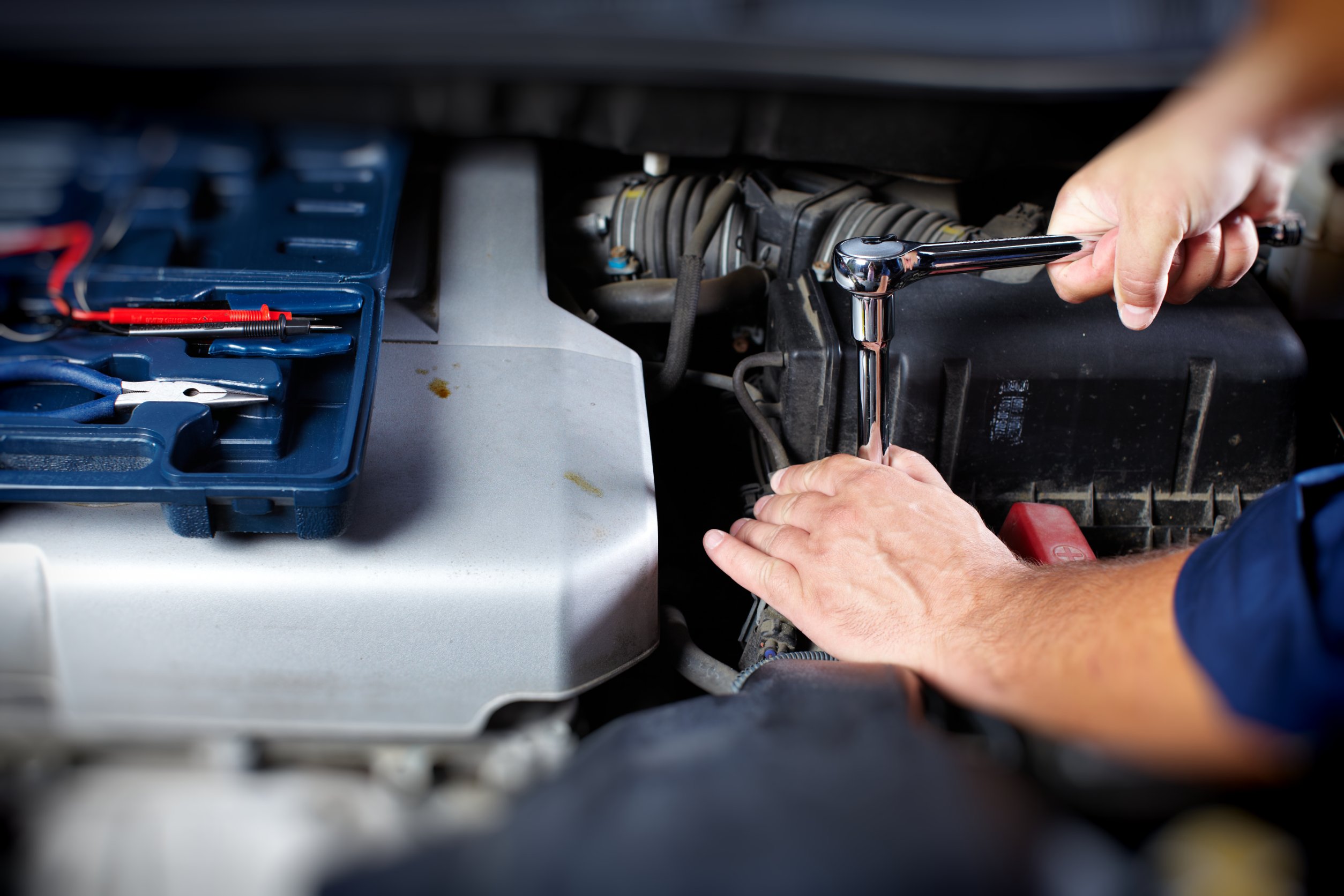
Why Richfield Drivers Trust Us with Transmission Work
Transmission repair ranks among the most expensive services your vehicle will ever need. Because the cost of a wrong diagnosis is high, finding a shop that tests before it replaces matters.
You Talk to the Person Doing the Work
Sam Buckner founded this shop after years of working on cars in his own garage. He’s at the shop every day, and he’s the one who will explain what’s happening with your transmission. One customer described receiving “a full diagnostic break down that was easy to understand.” That’s the standard we hold ourselves to.
Straight Answers About What Your Transmission Needs
Customers from Richfield and across the South Metro tell us they appreciate knowing what needs attention now and what can wait. One customer noted that when Sam found a repair outside his scope, he didn’t charge for the diagnostic time. Because we’d rather earn your trust than a quick sale, we tell you what we find.
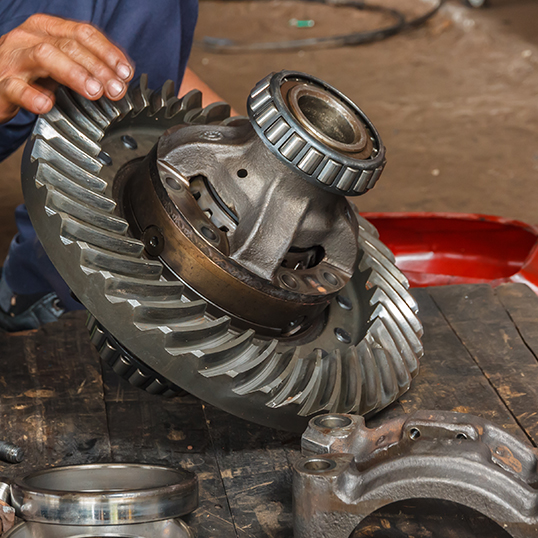
Warning Signs Your Transmission Needs Attention
Transmission problems rarely appear without warning. Because they escalate, catching symptoms early often means the difference between a minor repair and a major overhaul.
Slipping Between Gears
If your engine revs but your car doesn’t accelerate accordingly, the transmission may be slipping. Because slipping often indicates low fluid, worn clutches, or internal pressure issues, it requires prompt diagnosis.
Delayed or Harsh Shifting
A transmission that hesitates before engaging a gear or slams into gear when shifting has a problem. Because delayed engagement often points to low fluid or solenoid issues, and harsh shifts can indicate internal wear, both symptoms deserve attention.
Unusual Noises
Whining, humming, or clunking sounds from underneath the vehicle often trace to the transmission. Because noise often accompanies bearing or gear wear, ignoring it leads to more extensive damage.
Transmission Warning Light
When your transmission warning light comes on, your vehicle’s computer has detected a fault. Because some faults are electronic and others are mechanical, diagnosis determines the correct repair.
Burning Smell or Fluid Leaks
A burning smell often indicates overheated transmission fluid. Because heat degrades fluid quickly, it accelerates internal wear. Similarly, red or brown fluid leaks under your car point to seal or gasket failure that needs attention.
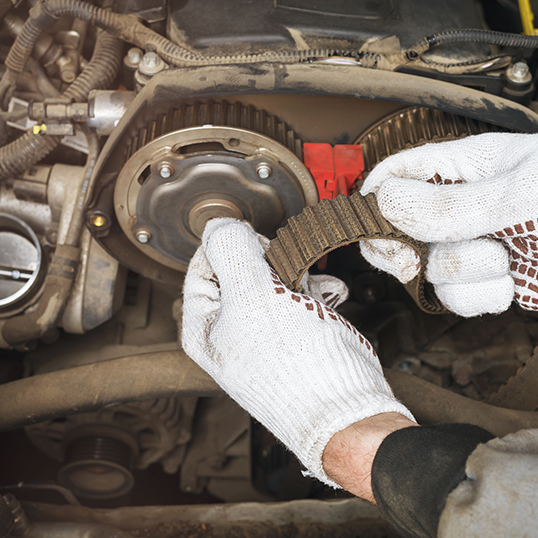
How Richfield Driving Affects Your Transmission
Richfield’s driving conditions create specific stress patterns on transmissions. Because the area mixes local streets with highway access, your transmission constantly shifts between gears as you accelerate, decelerate, and merge.
Stop-and-Go Traffic
Because Richfield mixes local streets with highway access, your transmission constantly shifts between gears as you accelerate, decelerate, and merge. That constant cycling generates heat, and heat is the enemy of transmission fluid.
Cold Weather and Short Trips
Minnesota winters stress transmissions. Because cold fluid doesn’t lubricate as effectively, and short trips don’t let the transmission reach operating temperature, condensation builds up in the fluid. Over time, this leads to sludge formation and accelerated wear.
Towing and Heavy Loads
If you tow a trailer or regularly carry heavy loads, your transmission works harder than it would under normal driving. Because heat and stress accelerate wear, regular fluid service becomes even more important.
Our Transmission Diagnostic Process
Step 1: Tell Us What You’re Experiencing
Describe the symptoms—slipping, delayed shifts, noises, or warning lights. When do they happen? Does the transmission slip when cold or hot? Does it hesitate when shifting from park to drive? Because the more detail you provide, the faster we can narrow the possibilities.
Step 2: We Diagnose the Fault
We connect diagnostic equipment, read fault codes, check fluid condition and level, and perform physical tests. Because transmission problems often produce symptoms in multiple systems, we test systematically to find the root cause. If the issue traces to the electrical system, we handle Automotive Electrical Repair in-house.
Step 3: You Get a Clear Explanation
Once we identify the fault, we explain what we found, what the repair involves, and what it costs. Because we document our findings, you leave with a breakdown you can actually understand.
Step 4: We Complete the Repair
With your approval, we perform the repair. If additional issues surface during the work, we contact you before proceeding.
Step 5: We Verify the Fix
After the repair, we test the transmission to confirm the problem is resolved. You get documentation of what was done and why.
Transmission Services We Provide
Diagnostics and Testing
We use diagnostic tools to read fault codes, monitor live data, and test transmission components. Because a code is a starting point—not the answer—we confirm the root cause before recommending repairs.
Fluid Service
Transmission fluid degrades over time. Because fresh fluid lubricates and cools internal components, regular service extends transmission life. If the issue traces to the cooling system, we handle Radiator Repair in-house.
Component Replacement
When transmission components fail, we replace them with quality parts matched to your vehicle. This includes solenoids, sensors, and seals. If your issue requires specialized transmission work or a service we don’t offer in-house, we’ll tell you and help you find the right solution.
Related Services We Offer
Brake Repair
If your vehicle needs brake work alongside your transmission service, we provide Brake Repair as well.
Suspension Repair
Worn suspension can affect vehicle stability and put extra stress on the drivetrain. Our Suspension Repair services address ride and handling issues.
Exhaust & Muffler Repair
Because exhaust restrictions can affect engine and transmission performance, we provide Exhaust & Muffler Repair when needed.
Pre-Purchase Car Inspection
Buying a used car? A Pre-Purchase Car Inspection includes a thorough transmission check.
Areas We Serve
Stall One Automotive is based in Richfield, and we welcome drivers from throughout the South Metro. If you’re nearby, we’d be glad to help with your transmission repair:
Not sure if we serve your area? Contact us and we’ll let you know.
Frequently Asked Questions
How do I know if my transmission problem is serious?
Slipping, harsh shifting, and transmission warning lights are serious symptoms that require prompt attention. Because these signs often indicate internal wear, don’t delay diagnosis.
Can you diagnose a transmission problem without a warning light?
Yes. Many transmission issues—including early slipping, delayed engagement, and fluid degradation—don’t trigger warning lights. Because we perform physical tests alongside electronic diagnostics, we can identify problems that codes alone would miss.
How long does transmission repair take?
Timeline varies depending on the issue. Because some repairs take hours and others require more extensive work, we’ll explain the expected timeframe before starting.
Do you work on all makes and models for transmission repair?
We handle most domestic and imported vehicles. If you have a question about your specific car, call and ask before you come in.
What should I do if my transmission fails while driving?
Pull over safely, turn off the engine, and call for a tow. Because driving with a failed transmission can cause additional damage, don’t try to continue.