
Automotive Electrical Repair in Mendota Heights Minnesota
Automotive Electrical Repair Near Mendota Heights Minnesota
Your car won’t start. The lights flicker. The battery keeps dying. Electrical problems leave you guessing, and guessing gets expensive. Because we know how frustrating that feels, Stall One Automotive takes a different approach. We diagnose the fault first, explain what we find, and only then recommend a repair. Drivers from Mendota Heights Minnesota and across the @Region@ count on us for that straight-talking process.
If your vehicle is showing electrical symptoms, don’t wait. Contact us to schedule a diagnostic appointment or call 952-260-1362.
Why Mendota Heights Minnesota Drivers Choose Our Shop for Electrical Work
Anyone can swap a battery. Finding the actual fault takes patience, the right tools, and a willingness to dig deeper. Because we built our reputation on honest diagnostics, Mendota Heights Minnesota drivers keep coming back.
A Hands-On Owner Who Talks to You Directly
Sam Buckner founded this shop after years of working on cars in his own garage. He’s at the shop every day, and he’s the one who will explain what’s happening with your car. One customer described receiving “a full diagnostic breakdown that was easy to understand.” That’s the standard we hold ourselves to.
No Guesswork, No Unnecessary Parts
Because electrical faults often mimic each other, throwing parts at the problem wastes your money. One customer noted that when Sam found a repair outside his scope, he didn’t charge for the diagnostic time. That’s how we operate—we’d rather earn your trust than a quick sale.
How Mendota Heights Minnesota Conditions Affect Your Vehicle’s Electrical System
Mendota Heights Minnesota sits in the @MetroArea@. Because local driving patterns and climate both play a role, your vehicle faces specific electrical stressors that we see every season.
Cold Weather Drains Batteries Fast
Minnesota winters hit batteries hard. Because cold reduces battery capacity, a battery that works fine in summer can fail on the first subzero morning. Meanwhile, your alternator works harder to power heated seats, defrosters, and lights. AAA recommends testing your battery and charging system before winter arrives.
Road Salt Corrodes Wiring and Grounds
Road salt doesn’t just attack brake lines—it corrodes electrical grounds, connectors, and wiring. Because corroded connections create resistance, they cause voltage drops that lead to flickering lights and hard-to-find faults. We inspect for the corrosion patterns that Mendota Heights Minnesota driving creates.
We See These Patterns Every Season
Because we work on Mendota Heights Minnesota vehicles year-round, we know where to look. When you bring your car in, we test the electrical system with these local factors in mind. Catching small issues early prevents them from becoming expensive ones.
Electrical Symptoms You Shouldn’t Ignore
Electrical problems rarely fix themselves. Because they often cascade, a small fault can damage other components if you wait.
Your Car Won’t Start or Struggles To
A dead battery is the most common culprit. However, a failing alternator, a parasitic drain, or a bad starter can produce the same symptom. Because a jump-start might get you moving temporarily, the real issue remains. We test the entire starting and charging system to find the actual cause.
Battery Keeps Dying
If you’ve replaced your battery and it keeps dying, the problem lies elsewhere. A parasitic drain—a component that stays powered after the car shuts off—can deplete a battery overnight. We trace the circuit to isolate what’s drawing power when it shouldn’t.
Flickering or Dimming Lights
Dashboard lights, headlights, or interior lights that flicker or dim often signal inconsistent voltage. A failing alternator, a weak battery, or a faulty voltage regulator can all cause this. Because the alternator powers your lights and ignition, addressing the root cause protects other systems.
Warning Lights and Intermittent Failures
A battery warning light, a check engine light triggered by a sensor fault, or accessories that work one day and fail the next—these issues test your patience. Because intermittent faults only appear under certain conditions, we use systematic testing to catch them.
Our Diagnostic Process for Mendota Heights Minnesota Customers
Step 1: Tell Us What You’re Experiencing
Describe when the problem happens, how often, and under what conditions. Does the car fail to start hot or cold? Do the lights flicker at idle or while driving? Because any pattern helps, share as much detail as you can.
Step 2: We Diagnose the Fault
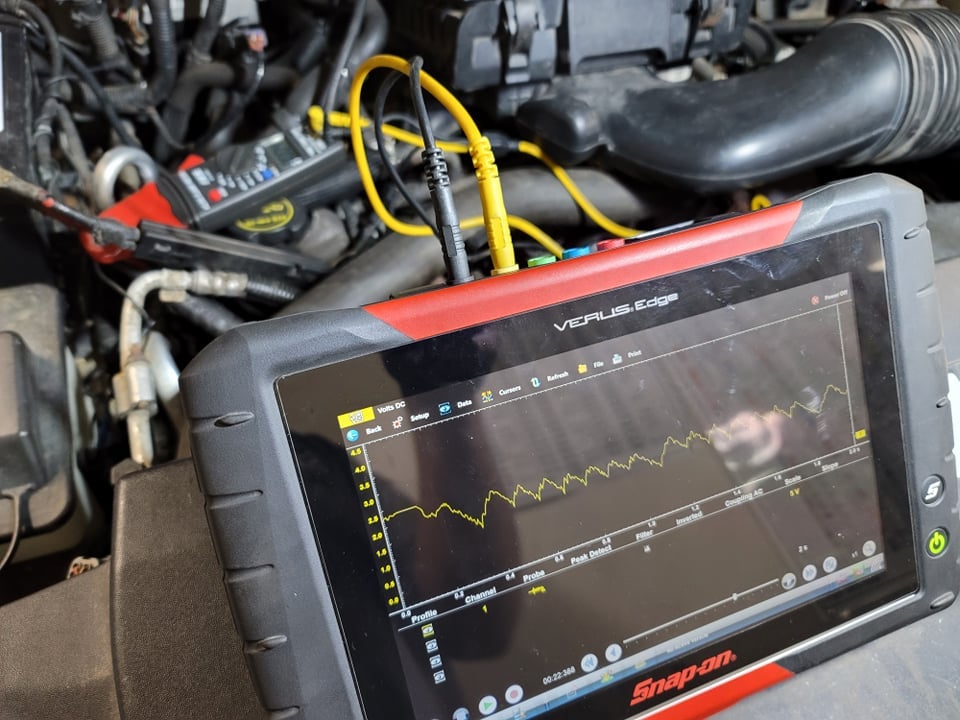
We connect diagnostic equipment, read fault codes, and test the relevant circuits. Because this may take time—especially for intermittent problems—we appreciate your patience during the process.
Step 3: You Get a Written Explanation
Once we identify the fault, we explain what we found, what the repair involves, and what it costs. Because we document our findings, you leave with a breakdown you can actually understand.
Step 4: We Complete the Repair
With your approval, we perform the repair. If additional issues surface during the work, we contact you before proceeding.
Step 5: We Verify the Fix
After the repair, we test the system to confirm the problem is resolved. You get documentation of what was done and why.
What Our Electrical Diagnostics Include
Starting and Charging System Testing
We test your battery’s health, the alternator’s output, and the starter’s performance. This identifies whether the issue lies with the battery, the charging system, or the starting circuit.
Parasitic Drain Diagnosis
If your battery dies overnight, we perform a parasitic draw test. This measures current flow after the vehicle shuts down and isolates the circuit causing the drain.
Wiring and Connector Inspection
We examine accessible wiring, grounds, and connectors for corrosion, damage, or looseness. Because Minnesota’s road salt makes this step critical for Mendota Heights Minnesota vehicles, we pay close attention to areas where corrosion commonly develops.
Sensor and Module Diagnostics
Modern vehicles rely on sensors and control modules that communicate over data networks. When a fault occurs, we read diagnostic trouble codes and test the relevant circuits to determine whether the issue lies with the sensor, the wiring, or the module itself.
Related Services We Offer
Starter & Alternator Repair
If diagnostics point to the starter or alternator, we can handle the replacement. Learn more about our Starter & Alternator Repair services.
Check Engine Light Diagnostics
Electrical faults often trigger check engine lights. Our Check Engine Light Diagnostics service identifies the underlying cause.
General Auto Repair
If your electrical issue is part of a larger repair need, we handle Auto Repair across most makes and models.
Areas We Serve
Stall One Automotive is based in Richfield, and we welcome drivers from throughout the South Metro. If you’re nearby, we’d be glad to help with your electrical repair:
Not sure if we serve your area? Contact us and we’ll let you know.
Questions Mendota Heights Minnesota Drivers Ask About Electrical Repair
How much does electrical diagnostics cost?
Diagnostic time is billed at our shop rate. Because the total depends on the complexity of the issue, we’ll explain the process and any applicable fees before we begin.
Can you find a parasitic drain?
Yes. We perform parasitic draw testing to isolate the circuit causing the battery drain. Because this process takes time, it identifies the exact source.
My car won’t start. Should I have it towed?
If your car won’t start and a jump-start didn’t help, towing is usually the safest option. Contact us and we can discuss your situation.
Do you work on all makes and models for electrical issues?
We handle most domestic and imported vehicles. If you have a question about your specific car, call and ask before you come in.
What causes electrical problems in Mendota Heights Minnesota?
Cold weather stresses batteries and charging systems. Road salt accelerates corrosion on wiring, grounds, and connectors. Because both factors make electrical issues more common in our climate, regular inspections help catch problems early.