
Check Engine Light Diagnostics
Check Engine Light Diagnostics in Richfield That Explain What’s Really Going On
Your check engine light just came on. You don’t know why, and you’re not sure if it’s serious. That uncertainty is frustrating. At Stall One Automotive, we diagnose check engine lights systematically and explain what we find in plain language. Because drivers from Richfield and across the South Metro count on us for straight answers, we never guess—we test.
If your check engine light is on, don’t guess. Contact us to schedule a diagnostic appointment or call 952-260-1362.
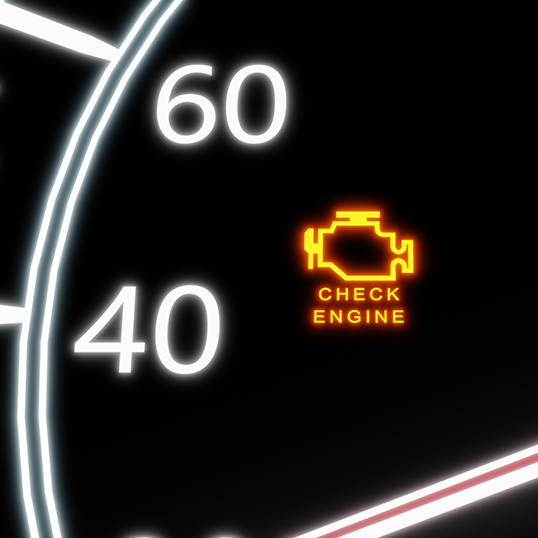
What Your Check Engine Light Actually Means
Your check engine light—sometimes called the malfunction indicator lamp or service engine soon light—does not tell you what’s wrong. Instead, it tells you that your vehicle’s computer detected something outside its expected range and logged a diagnostic trouble code.
Because the check engine light covers everything from a loose gas cap to a failing catalytic converter, the light alone doesn’t tell you whether you face a $20 fix or a $2,000 repair.
Solid vs. Flashing: Why It Matters
A solid (steady) check engine light means a fault has been detected and stored. Because you can typically drive to a shop for diagnosis, you shouldn’t panic—but you also shouldn’t ignore it for months.
A flashing (blinking) check engine light means an active engine misfire is occurring. Because a misfiring cylinder sends unburned fuel into the exhaust system, sustained misfiring can destroy a catalytic converter worth $1,000–$2,500 in minutes of driving. If your check engine light is flashing, reduce speed, minimize engine load, and get to a shop as soon as possible. Do not drive at highway speeds.
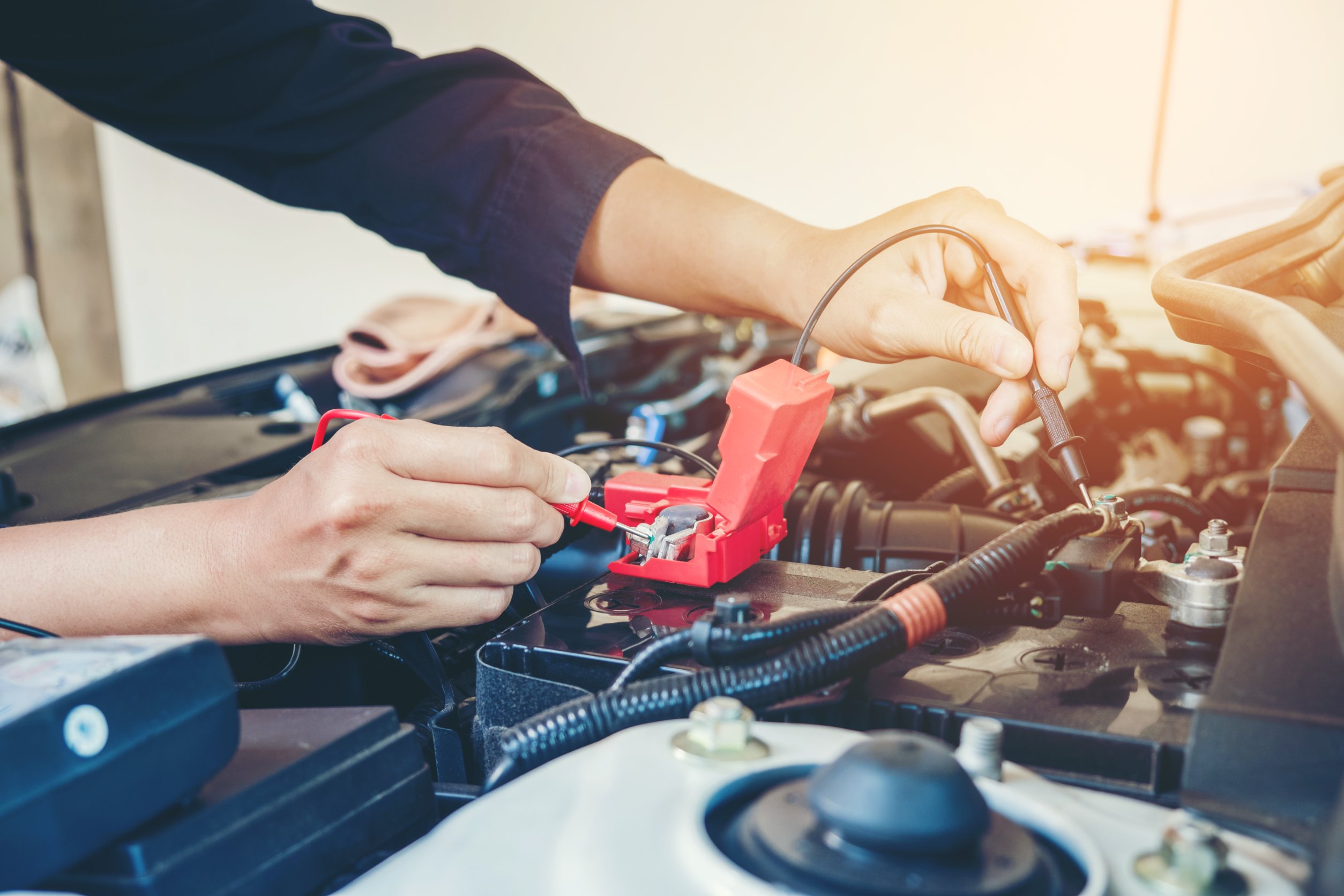
Common Causes of Check Engine Lights
Loose or Faulty Gas Cap
The most common and most benign cause. Because the evaporative emissions system must remain airtight, a gas cap that isn’t fully tightened triggers a small leak code. Tighten the cap firmly, and then see if the light clears after a few drive cycles. If it doesn’t, the cap itself may need replacement.
Oxygen Sensor Failure
Oxygen sensors monitor exhaust gas composition and help the engine control module tune the air-fuel mixture. Because a failing O2 sensor causes the engine to run with a suboptimal fuel mixture, it reduces fuel economy and potentially damages the catalytic converter over time.
Catalytic Converter Efficiency
Code P0420 indicates the catalytic converter isn’t processing exhaust gases as efficiently as expected. However, this ranks among the most misdiagnosed codes. Because a faulty oxygen sensor or an exhaust leak can also trigger it, we test the O2 sensors and inspect for leaks before recommending catalytic converter replacement. Learn more about our Exhaust & Muffler Repair services if the issue traces to the exhaust system.
Mass Air Flow Sensor
The MAF sensor measures the volume of air entering the engine. Because a dirty or failing MAF causes incorrect fuel delivery, it typically results in rough idle, hesitation, or poor fuel economy. Cleaning the MAF sensor often resolves the issue before replacement is needed.
Ignition System Faults
Worn spark plugs or failing ignition coils cause misfires, rough running, and sometimes a flashing check engine light. Because ignition components wear gradually, replacing the affected coil and spark plug is a common repair.
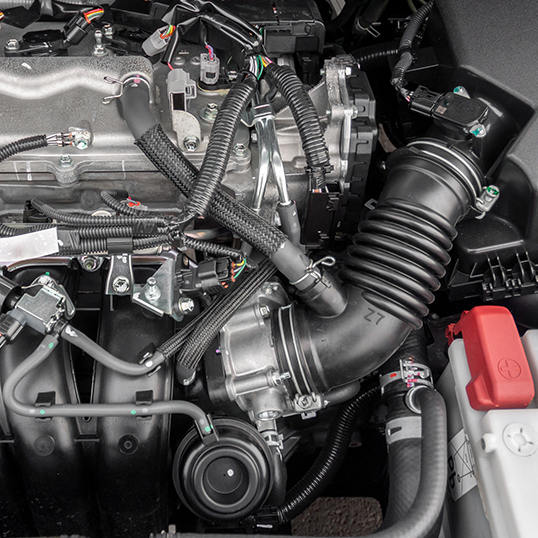
Why Minnesota Weather Triggers Check Engine Lights
Minnesota’s cold climate creates specific conditions that can trigger check engine lights. Because repeated short-trip driving in extreme cold doesn’t give the engine time to reach operating temperature, condensation can build up in the intake manifold and freeze, causing intake runner valves to stick and setting diagnostic trouble codes. This is especially common in vehicles that don’t have a winter front cover installed.
Similarly, excessive short-trip driving in low temperatures can cause condensation in the crankcase and a frozen PCV system, which may trigger throttle-related codes and reduced engine power.
Because we work on Minnesota vehicles year-round, we know these patterns. When you bring your car to us, we diagnose with the local climate in mind.
Our Diagnostic Process
Step 1: Tell Us What You’re Experiencing
Describe when the light came on, whether it’s solid or flashing, and any symptoms you’ve noticed—rough idle, hesitation, reduced power, or changes in fuel economy. Because the more detail you provide, the faster we can narrow the possibilities.
Step 2: We Read the Codes
We connect diagnostic equipment to your vehicle’s OBD-II port and retrieve the stored trouble codes. However, a code is a starting point, not the answer. Because multiple issues can produce the same code, we test the relevant circuits and components to confirm the root cause.
Step 3: We Diagnose the Fault
This is where the real work happens. We use diagnostic tools to monitor live data, test sensor voltages, and check circuit continuity. Because electrical and sensor issues often require time to trace, this step can take longer than the initial scan. If the fault traces to the electrical system, we handle Automotive Electrical Repair in-house.
Step 4: You Get a Clear Explanation
Once we identify the fault, we explain what we found, what the repair involves, and what it costs. One customer noted that Sam sent “a full diagnostic break down that was easy to understand.”
Step 5: We Complete the Repair
With your approval, we perform the repair. If additional issues surface during the work, we contact you before proceeding.
What to Expect When You Bring Your Car In
Diagnostic Fees
Diagnostic time is billed at our shop rate. Because the total depends on the complexity of the issue, we’ll explain the process and any applicable fees before we begin.
Documentation
Because we document our findings, you leave with a breakdown you can actually understand. One customer specifically praised the “great documentation on the inspection report.”
Minnesota Consumer Protection
Minnesota law requires shops to provide a written estimate for repairs costing more than $100 if you request one, and the final price cannot exceed the written estimate by more than 10 percent without your authorization. You also have the right to request return of replaced parts before repairs begin.
Related Services We Offer
Automotive Electrical Repair
Check engine lights often stem from electrical faults. Learn more about our Automotive Electrical Repair services.
Engine Repair
If diagnostics point to a mechanical engine issue, we can handle the repair. Explore our Engine Repair services.
Brake Repair
If your vehicle needs brake work alongside your diagnostic service, we provide Brake Repair as well.
Suspension Repair
Worn suspension can affect vehicle stability and trigger related codes. Our Suspension Repair services address ride and handling issues.
Oil Change
Regular Oil Change service keeps your engine healthy and helps prevent issues that trigger warning lights.
General Auto Repair
If your check engine light is part of a larger repair need, we handle Auto Repair across most makes and models.
Areas We Serve
Stall One Automotive is based in Richfield, and we welcome drivers from throughout the South Metro. If you’re nearby, we’d be glad to help with your check engine light diagnostic:
Not sure if we serve your area? Contact us and we’ll let you know.
Frequently Asked Questions
Can I just clear the code and keep driving?
Clearing the code without fixing the underlying issue doesn’t solve the problem. Because the fault remains, the light will come back—and the underlying issue may worsen. We diagnose the cause, not just the symptom.
How much does a diagnostic scan cost?
Diagnostic time is billed at our shop rate. Because the total depends on the complexity of the issue, we’ll explain the process and any applicable fees before we begin. Some shops offer free code reads, but a free scan only retrieves the code—it doesn’t diagnose the cause.
My check engine light is flashing. Can I drive?
If your check engine light is flashing, that indicates an active misfire. Because sustained misfiring can damage your catalytic converter, reduce speed and get to a shop as soon as possible. Do not drive at highway speeds.
How long does a diagnostic take?
The initial code read takes minutes. However, because diagnosing the root cause often requires testing circuits, monitoring live data, and checking components, the full process can take longer. We’ll explain the expected timeframe when you arrive.
Do you offer free check engine light scans?
Contact us directly to ask about our current diagnostic policies.
Contact
Call / Text 952-236-7488
7524 Lyndale Ave S,
Richfield, MN 55423
9:00 AM — 5:00 PM
Content Copyright ©2026 Stall One Automotive | All Rights Reserved | Site Map
Need Help?