
Timing Belt Replacement in St. Louis Park Minnesota
Timing Belt Replacement Near St. Louis Park Minnesota
Most drivers don’t think about their timing belt until something goes wrong. Because that “something” can destroy an engine in seconds, staying ahead of the replacement interval matters more than almost any other maintenance item. At Stall One Automotive, we replace timing belts for drivers from St. Louis Park Minnesota and nearby communities. Because we follow factory procedures and verify every step, you get the job done right.
If your vehicle is due for a timing belt, don’t wait. Contact us to schedule an appointment or call 952-260-1362.
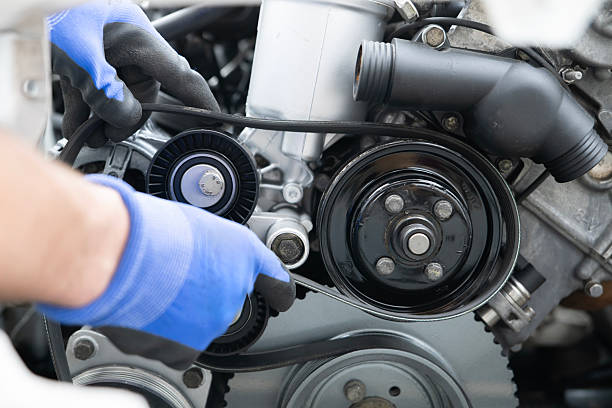
Why St. Louis Park Minnesota Drivers Bring Their Timing Belt Service to Us
Timing belt replacement leaves no room for error. Because a single mistake can cause catastrophic engine damage, choosing the right shop matters more than saving a few dollars.
Talk to the Person Doing the Work
Sam Buckner founded this shop after years of working on cars in his own garage. He’s at the shop every day, and he’s the one who will explain what’s happening with your vehicle. One customer described receiving “a full diagnostic break down that was easy to understand.” That’s how we approach every timing belt job.
Guidance You Can Actually Use
Customers from St. Louis Park Minnesota and nearby communities tell us they appreciate knowing what needs attention now and what can wait. One customer noted that when Sam found a repair outside his scope, he didn’t charge for the diagnostic time. Because we’d rather earn your trust than a quick sale, we tell you what we find.
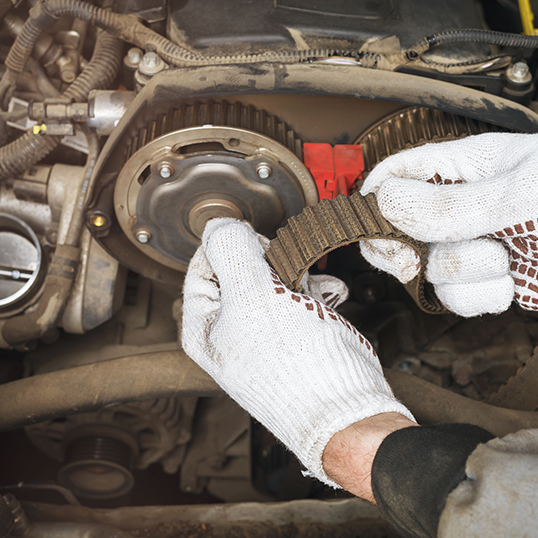
How St. Louis Park Minnesota Weather Wears Down Timing Belts
Minnesota’s climate punishes rubber components. Because temperatures swing from subzero to over 100°F, your timing belt faces conditions that accelerate wear.
Cold Snaps Make Rubber Brittle
At subzero temperatures, rubber loses flexibility. Because the timing belt flexes thousands of times per minute, cold-weather starts stress it far more than warm-weather driving. Over time, this contributes to cracking and premature failure.
Summer Heat Accelerates Aging
Summer heat speeds up rubber aging. Because the timing belt lives under the hood where temperatures climb, heat exposure shortens its lifespan. This is why manufacturers specify replacement intervals based on both mileage and time.
Road Salt and Debris Cause Abrasion
Road salt and debris can work their way past the timing cover, causing abrasion on the belt and pulleys. Because the cover protects most of the system, we inspect it and related components during every timing belt service.
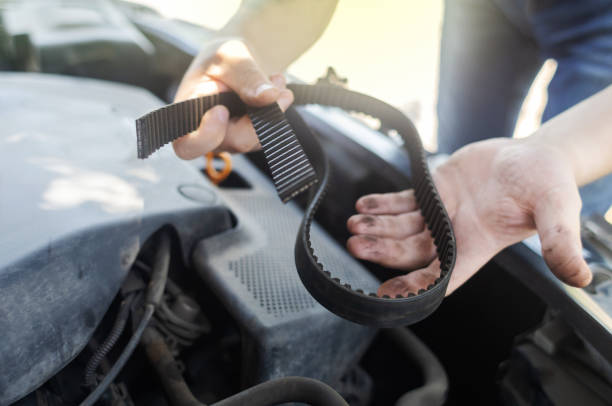
Timing Belt Warning Signs St. Louis Park Minnesota Drivers Shouldn’t Ignore
Timing belts rarely give obvious warnings before they fail. Because the belt can snap without notice, following the manufacturer’s replacement interval matters most.
Mileage-Based Replacement
Most manufacturers recommend timing belt replacement between 60,000 and 100,000 miles. Because intervals vary by vehicle, we follow your manufacturer’s guidelines. If you don’t know your vehicle’s interval, we can look it up for you.
Time-Based Replacement
Even if you haven’t reached the mileage interval, time matters. Because rubber degrades with age, many manufacturers recommend replacement every 6 to 10 years regardless of mileage. If your vehicle is older but low-mileage, this still applies.
Visible Cracks or Missing Teeth
If the timing belt is visible during other service, we inspect it for cracks, glazing, or missing teeth. Because these signs indicate imminent failure, replacement should not be delayed.
Ticking or Squealing Noises
Unusual noises from the engine bay can indicate timing belt or tensioner issues. Because these components can fail suddenly, diagnosis matters.
Coolant or Oil Leaks Reaching the Belt
Leaks that reach the timing belt cause rapid degradation. Because coolant and oil break down rubber, addressing leaks before they reach the belt prevents premature failure.
Why Timing Belt Failure Is Catastrophic
A timing belt failure doesn’t just leave you stranded. Because many modern engines are interference designs, the damage goes far beyond a broken belt.
What a Timing Belt Does
The timing belt synchronizes the rotation of your engine’s crankshaft and camshaft. Because the crankshaft drives the pistons and the camshaft controls the valves, they must stay perfectly timed. If the belt slips or breaks, that timing is lost.
What Happens When a Timing Belt Fails
On an interference engine—which many modern vehicles use—the pistons and valves occupy the same space at different times. Because they rely on precise timing to avoid contact, a failed belt allows pistons to strike valves. This causes bent valves, damaged pistons, and sometimes a cracked cylinder head. Repair costs can run into thousands of dollars. Because this damage is often preventable, replacing the timing belt on schedule is critical.
Non-Interference Engines
Some engines are designed so that pistons and valves never occupy the same space, even if timing is lost. Because these engines won’t suffer valve damage from a broken belt, the consequences are less severe. However, the vehicle will still stop running, leaving you stranded. We’ll tell you which type of engine your vehicle has.
What Our Timing Belt Service Includes for St. Louis Park Minnesota Drivers
Timing Belt Replacement
We replace the timing belt according to manufacturer specifications. Because proper tension and alignment are critical, we follow factory procedures precisely.
Tensioner and Idler Pulley Inspection
We inspect and replace tensioners and idler pulleys as needed. Because these components affect belt tension and alignment, worn parts can cause premature belt failure.
Water Pump Replacement
On many vehicles, the water pump is driven by the timing belt. Because replacing the water pump at the same time saves labor costs, we recommend it when applicable. If the water pump fails later, the labor to access it again is significant. If the issue connects to the cooling system, we handle Radiator Repair in-house.
Seal Inspection
We inspect camshaft and crankshaft seals for leaks. Because leaking seals can contaminate the timing belt, addressing them during service prevents future problems.
Cooling System Service
If the timing belt service involves the water pump, we also service the cooling system. Because fresh coolant protects the new water pump, this step extends system life.
Our Timing Belt Service Process for St. Louis Park Minnesota Customers
Step 1: Verify Your Vehicle’s Interval
We check your manufacturer’s recommended interval based on mileage and time. Because intervals vary, we confirm what applies to your specific vehicle.
Step 2: We Inspect Related Components
Before starting, we inspect the tensioner, idler pulleys, water pump, and seals. Because these components are accessible during timing belt service, replacing worn parts now saves money later.
Step 3: We Replace the Timing Belt
We follow manufacturer procedures precisely, ensuring correct timing and tension. Because improper installation can cause immediate engine damage, precision matters.
Step 4: We Verify Timing
After installation, we verify that the engine timing is correct. Because even a small error can affect performance or cause damage, this step is critical.
Step 5: We Test the Engine
We start the engine and verify smooth operation. You get documentation of what was done and why.
Related Services for St. Louis Park Minnesota Vehicle Owners
Engine Repair
If your engine has other issues, we handle Engine Repair as well.
Oil Change
Regular Oil Change service keeps your engine healthy and helps you avoid bigger problems down the road.
Radiator Repair
If the timing belt service involves the cooling system, we handle Radiator Repair in-house.
Brake Repair
If your vehicle needs brake work alongside timing belt service, we provide Brake Repair as well.
Check Engine Light Diagnostics
If warning lights appear alongside timing issues, our Check Engine Light Diagnostics can identify the cause.
Areas We Serve
Stall One Automotive is based in Richfield, and we welcome drivers from throughout the area. If you’re nearby, we’d be glad to help with your timing belt replacement:
Not sure if we serve your area? Contact us and we’ll let you know.
Questions St. Louis Park Minnesota Drivers Ask About Timing Belt Replacement
How do I know when to replace my timing belt?
Follow your manufacturer’s interval, which is based on mileage and time. Because intervals vary by vehicle, we can look up your specific recommendation.
What happens if I don’t replace my timing belt?
On an interference engine, a failed belt allows pistons to strike valves, causing bent valves, damaged pistons, and potentially a cracked cylinder head. Because repair costs run into thousands of dollars, replacing the belt on schedule is critical.
Should I replace the water pump at the same time?
On many vehicles, yes. Because the water pump is driven by the timing belt and accessing it later requires the same labor, replacing it now saves money.
How long does timing belt replacement take?
Timeline varies depending on the vehicle. Because some engines require more extensive disassembly, we’ll explain the expected timeframe before starting.
Do you work on all makes and models?
We handle most domestic and imported vehicles. If you have a question about your specific car, call and ask before you come in.