
Engine Repair
Engine Repair in Richfield That Gets to the Root of the Problem
Your engine is the heart of your vehicle. When it starts making strange noises, losing power, or running rough, you need answers—not guesswork. At Stall One Automotive, we diagnose engine problems systematically and explain what we find in plain language. Because drivers from Richfield and across the South Metro count on us for honest assessments, we test before we recommend.
If your engine is showing warning signs, don’t wait. Contact us to schedule a diagnostic appointment or call 952-260-1362.
Why Richfield Driving Affects Your Engine
Richfield’s driving conditions create specific patterns of engine wear. Because the area mixes local streets with highway access, your engine experiences frequent stops and starts alongside sustained highway speeds. That combination stresses different systems in different ways.
Cold Starts and Short Trips
Minnesota winters are hard on engines. Because repeated short-trip driving in cold weather doesn’t let the engine reach full operating temperature, condensation builds up in the crankcase and exhaust system. Over time, this leads to sludge formation, accelerated wear, and corrosion of internal components. AAA recommends combining errands when possible to give your engine time to warm up properly.
Road Salt and Component Corrosion
Road salt doesn’t just attack brake lines—it corrodes engine accessories, brackets, and electrical connections. Because corroded components can cause sensors to fail and belts to slip, we inspect for the corrosion patterns that Richfield driving creates.
Engine Warning Signs You Shouldn’t Ignore
Engine problems rarely fix themselves. Because they often escalate, catching issues early can mean the difference between a minor repair and a major overhaul.
Unusual Noises from the Engine Bay
Knocking, tapping, or grinding sounds often indicate internal component wear. Rod knock—a deep, rhythmic thudding that worsens with acceleration—typically signals bearing failure and requires immediate attention. Ticking sounds that respond to an oil top-up may relate to low oil pressure and should be assessed promptly. Because any rhythmic knocking that worsens under load signals a serious problem, treat it as urgent.
Excessive Exhaust Smoke
Modern engines produce almost no visible exhaust under normal operation. Because colored smoke is a direct diagnostic signal, pay attention to what you see:
-
Blue or grey smoke indicates burning oil, often from worn piston rings or valve seals
-
Thick white smoke suggests coolant entering the combustion chamber, a sign of head gasket failure
-
Black smoke means the engine is running rich—too much fuel, not enough air
Because blue and white smoke can indicate serious internal wear, don’t delay diagnosis.
Loss of Power or Poor Performance
If your car struggles to accelerate, hesitates, or feels sluggish, the cause could range from a clogged air filter to compression issues. Because engine performance depends on fuel, air, spark, and compression working together, pinpointing the weak link requires testing.
Overheating
Persistent overheating can warp cylinder heads, damage pistons, and crack engine blocks. If your temperature gauge climbs past the halfway mark, pull over safely and let the engine cool. Because overheating accelerates engine damage rapidly, professional diagnosis is essential. If the issue traces to the cooling system, we handle Radiator Repair in-house.
Rough Idle or Vibration
An engine that shakes, vibrates, or idles unevenly often has a misfire, vacuum leak, or engine mount issue. Because these symptoms can stem from multiple causes, proper diagnosis prevents unnecessary parts replacement. If the problem traces to the ignition system, we handle Automotive Electrical Repair as well.
Our Engine Repair Process
Step 1: Tell Us What You’re Experiencing
Describe the symptoms—noises, performance changes, warning lights, or smells. When do they happen? Does the engine knock cold or hot? Does it smoke at startup or under load? Because the more detail you provide, the faster we can narrow the possibilities.
Step 2: We Diagnose the Fault
We connect diagnostic equipment, read fault codes, and perform physical tests including compression checks, leak-down tests, and visual inspections. Because engine problems often produce symptoms in multiple systems, we test systematically to find the root cause. If warning lights are involved, we handle Check Engine Light Diagnostics in-house.
Step 3: You Get a Clear Explanation
Once we identify the fault, we explain what we found, what the repair involves, and what it costs. One customer noted that Sam sent “a full diagnostic break down that was easy to understand.”
Step 4: We Complete the Repair
With your approval, we perform the repair. If additional issues surface during the work, we contact you before proceeding.
Step 5: We Verify the Fix
After the repair, we test the engine to confirm the problem is resolved. You get documentation of what was done and why.
Engine Services We Provide
Diagnostics and Testing
We use diagnostic tools to read fault codes, monitor live data, and test engine components. Because a code is a starting point—not the answer—we confirm the root cause before recommending repairs.
Component Replacement
When engine components fail, we replace them with quality parts matched to your vehicle. This includes sensors, ignition components, belts, and gaskets. If your issue requires specialized machining or a service we don’t offer in-house, we’ll tell you and help you find the right solution—just like we did for a customer whose repair fell outside our scope.
Timing Belt Service
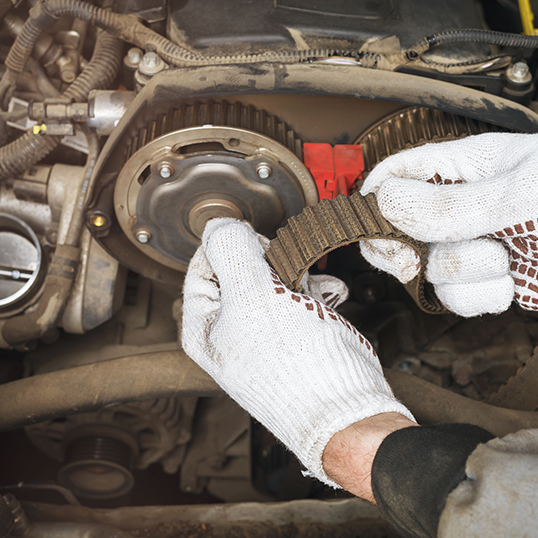
The timing belt keeps your engine’s valves and pistons synchronized. Because a failed timing belt can cause catastrophic engine damage, we recommend replacing it at the manufacturer’s specified interval. Learn more about our Timing Belt Replacement services.
Oil and Maintenance Services
Regular Oil Change service keeps your engine healthy and helps you avoid bigger problems down the road. Because clean oil lubricates and cools internal components, staying on top of maintenance extends engine life.
What to Expect When You Bring Your Car In
Diagnostic Fees
Diagnostic time is billed at our shop rate. Because the total depends on the complexity of the issue, we’ll explain the process and any applicable fees before we begin.
Documentation
Because we document our findings, you leave with a breakdown you can actually understand. One customer specifically praised the “great documentation on the inspection report.”
Honest Recommendations
Customers tell us they appreciate knowing what needs attention now and what can wait. Because we’d rather earn your trust than a quick sale, we tell you what we find—even when the answer isn’t what you expected.
Related Services We Offer
Brake Repair
If your vehicle needs brake work alongside your engine service, we provide Brake Repair as well.
Suspension Repair
Worn suspension can affect vehicle stability and put extra stress on the drivetrain. Our Suspension Repair services address ride and handling issues.
Transmission Repair
Engine and transmission work together. If you’re experiencing drivetrain issues, explore our Transmission Repair services.
Exhaust & Muffler Repair
Because exhaust restrictions can affect engine performance, we provide Exhaust & Muffler Repair when needed.
Pre-Purchase Car Inspection
Buying a used car? A Pre-Purchase Car Inspection includes a thorough engine check.
Areas We Serve
Stall One Automotive is based in Richfield, and we welcome drivers from throughout the South Metro. If you’re nearby, we’d be glad to help with your engine repair:
Not sure if we serve your area? Contact us and we’ll let you know.
Frequently Asked Questions
How do I know if my engine problem is serious?
Knocking sounds that worsen under load, thick white smoke, and persistent overheating are serious symptoms that require immediate attention. Because these signs often indicate internal damage, don’t delay diagnosis.
Can you diagnose an engine problem without a check engine light?
Yes. Many engine issues—including vacuum leaks, worn mounts, and early bearing wear—don’t trigger warning lights. Because we perform physical tests alongside electronic diagnostics, we can identify problems that codes alone would miss.
How long does engine repair take?
Timeline varies depending on the issue. Because some repairs take hours and others require more extensive work, we’ll explain the expected timeframe before starting.
Do you work on all makes and models for engine repair?
We handle most domestic and imported vehicles. If you have a question about your specific car, call and ask before you come in.
What should I do if my engine overheats?
Pull over safely, turn off the engine, and let it cool. Do not open the radiator cap while the engine is hot. Because overheating can cause rapid damage, have your vehicle towed to a shop for diagnosis.