
Check Engine Light Diagnostics in St. Louis Park Minnesota
Check Engine Light Diagnostics Near St. Louis Park Minnesota
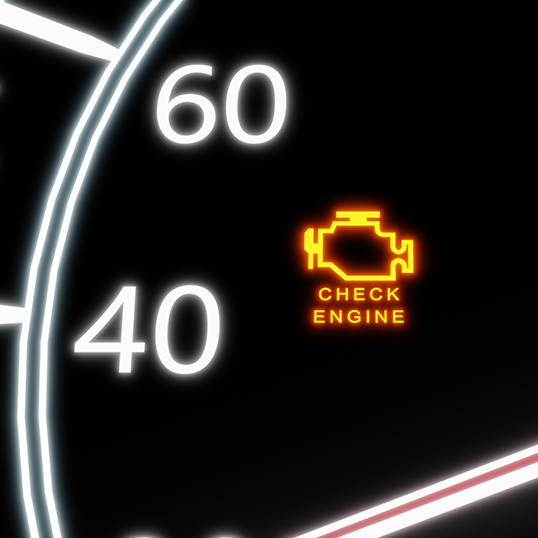
That amber light on your dashboard isn’t going away on its own. Whether it appeared this morning or has been on for weeks, you deserve to know what’s actually wrong before you spend money. At Stall One Automotive, we diagnose check engine lights for drivers from St. Louis Park Minnesota and across the @Region@. Because we test before we recommend, you get answers based on evidence—not guesswork.
If your check engine light is on, don’t wait. Contact us to schedule a diagnostic appointment or call 952-260-1362.
Why St. Louis Park Minnesota Drivers Trust Our Diagnostics
Anyone can plug in a code reader and hand you a printout. However, a code is not a diagnosis. Because the same code can have several different causes, finding the real fault takes testing, tools, and patience. That’s what sets our process apart.
You Talk to the Owner, Not a Service Writer
Sam Buckner founded this shop after years of working on cars in his own garage. He’s at the shop every day, and he’s the one who will explain what’s happening with your car. One customer described receiving “a full diagnostic break down that was easy to understand.” That’s the standard we hold ourselves to.
No Unnecessary Parts, No Surprise Charges
Because check engine lights often mimic each other, replacing parts without testing wastes your money. One customer noted that when Sam found a repair outside his scope, he didn’t charge for the diagnostic time. That’s how we operate—we’d rather earn your trust than a quick sale. Explore our Auto Repair services to see how we approach every job.
How St. Louis Park Minnesota Conditions Trigger Check Engine Lights
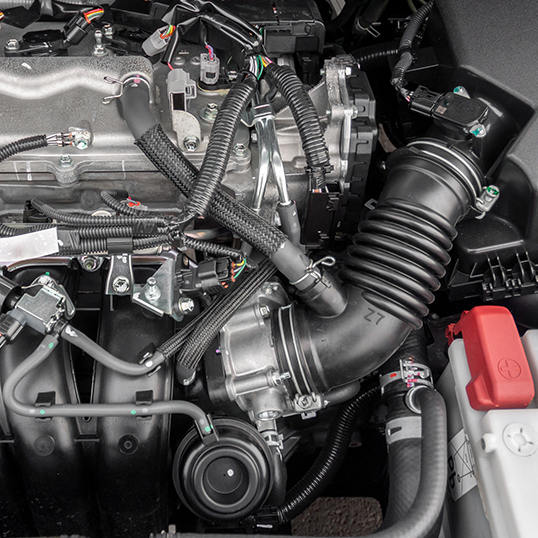
St. Louis Park Minnesota sits in the @MetroArea@, and local driving patterns create specific conditions that can set diagnostic trouble codes. Because we work on St. Louis Park Minnesota vehicles year-round, we know these patterns well.
Cold Weather and Short Trips
Minnesota winters hit engines hard. Because repeated short-trip driving in extreme cold doesn’t let the engine reach operating temperature, condensation builds up in the intake manifold and freezes. This causes intake runner valves to stick and sets diagnostic trouble codes. Similarly, excessive short-trip driving in low temperatures can cause condensation in the crankcase and a frozen PCV system, which may trigger throttle-related codes and reduced engine power.
Road Salt and Sensor Corrosion
Road salt doesn’t just attack brake lines—it corrodes electrical connectors, grounds, and sensor wiring. Because corroded connections increase resistance, they can cause oxygen sensors, mass air flow sensors, and other emissions components to report faulty readings. Our Automotive Electrical Repair team inspects for the corrosion patterns that St. Louis Park Minnesota driving creates.
Stop-and-Go Traffic Stresses Emissions Components
Because St. Louis Park Minnesota mixes local streets with highway access, your car constantly stops and accelerates. That constant cycling generates heat and stresses emissions components, including the catalytic converter and oxygen sensors. Over time, these components can fail and trigger check engine lights. If the issue traces to the exhaust system, we handle Exhaust & Muffler Repair in-house.
Solid vs. Flashing: What St. Louis Park Minnesota Drivers Need to Know
A solid (steady) check engine light means a fault has been detected and stored. Because you can typically drive to a shop for diagnosis, you shouldn’t panic—but you also shouldn’t ignore it for months.
A flashing (blinking) check engine light means an active engine misfire is occurring. Because a misfiring cylinder sends unburned fuel into the exhaust system, sustained misfiring can destroy a catalytic converter worth $1,000–$2,500 in minutes of driving. If your check engine light is flashing, reduce speed, minimize engine load, and get to a shop as soon as possible. Do not drive at highway speeds.
Common Causes We Diagnose for St. Louis Park Minnesota Vehicles
Loose or Faulty Gas Cap
The most common and most benign cause. Because the evaporative emissions system must remain airtight, a gas cap that isn’t fully tightened triggers a small leak code. Tighten the cap firmly, and then see if the light clears after a few drive cycles.
Oxygen Sensor Failure
Oxygen sensors monitor exhaust gas composition and help the engine control module tune the air-fuel mixture. Because a failing O2 sensor causes the engine to run with a suboptimal fuel mixture, it reduces fuel economy and potentially damages the catalytic converter over time.
Catalytic Converter Efficiency
Code P0420 indicates the catalytic converter isn’t processing exhaust gases as efficiently as expected. However, this ranks among the most misdiagnosed codes. Because a faulty oxygen sensor or an exhaust leak can also trigger it, we test the O2 sensors and inspect for leaks before recommending catalytic converter replacement.
Mass Air Flow Sensor
The MAF sensor measures the volume of air entering the engine. Because a dirty or failing MAF causes incorrect fuel delivery, it typically results in rough idle, hesitation, or poor fuel economy.
Ignition System Faults
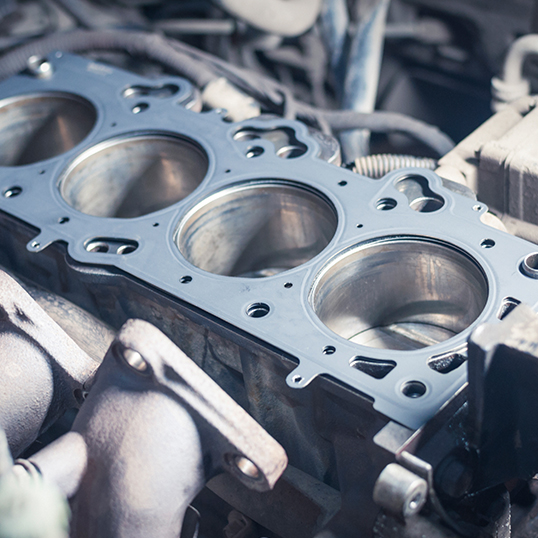
Worn spark plugs or failing ignition coils cause misfires, rough running, and sometimes a flashing check engine light. Because ignition components wear gradually, replacing the affected coil and spark plug is a common repair. If diagnostics point to a mechanical engine issue, we handle Engine Repair as well.
Our Diagnostic Process for St. Louis Park Minnesota Customers
Step 1: Tell Us What You’re Experiencing
Describe when the light came on, whether it’s solid or flashing, and any symptoms you’ve noticed—rough idle, hesitation, reduced power, or changes in fuel economy. Because the more detail you provide, the faster we can narrow the possibilities.
Step 2: We Read the Codes
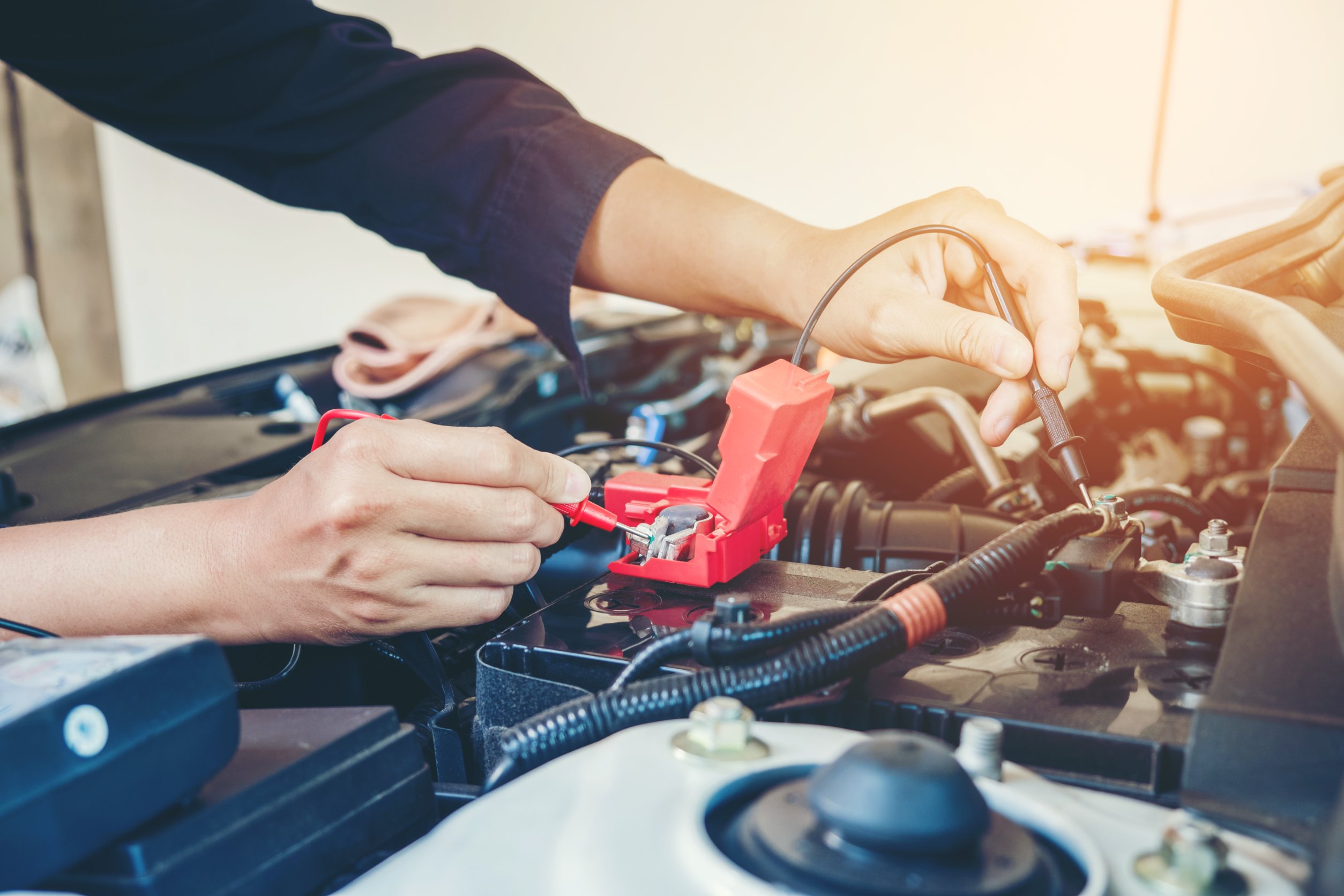
We connect diagnostic equipment to your vehicle’s OBD-II port and retrieve the stored trouble codes. However, a code is a starting point, not the answer. Because multiple issues can produce the same code, we test the relevant circuits and components to confirm the root cause.
Step 3: We Diagnose the Fault
This is where the real work happens. We use diagnostic tools to monitor live data, test sensor voltages, and check circuit continuity. Because electrical and sensor issues often require time to trace, this step can take longer than the initial scan. If the fault traces to the electrical system, we handle Automotive Electrical Repair in-house.
Step 4: You Get a Clear Explanation
Once we identify the fault, we explain what we found, what the repair involves, and what it costs. Because we document our findings, you leave with a breakdown you can actually understand.
Step 5: We Complete the Repair
With your approval, we perform the repair. If additional issues surface during the work, we contact you before proceeding.
What to Expect When You Bring Your Car In
Diagnostic Fees
Diagnostic time is billed at our shop rate. Because the total depends on the complexity of the issue, we’ll explain the process and any applicable fees before we begin.
Minnesota Consumer Protection
Minnesota law requires shops to provide a written estimate for repairs costing more than $100 if you request one, and the final price cannot exceed the written estimate by more than 10 percent without your authorization. You also have the right to request return of replaced parts before repairs begin.
Related Services for St. Louis Park Minnesota Drivers
Because check engine lights often connect to other systems, we can handle related work during the same visit.
Brake Repair
If your vehicle needs brake work alongside your diagnostic service, we provide Brake Repair as well.
Suspension Repair
Worn suspension can affect vehicle stability and trigger related codes. Our Suspension Repair services address ride and handling issues.
Oil Change
Regular Oil Change service keeps your engine healthy and helps prevent issues that trigger warning lights.
Pre-Purchase Car Inspection
Buying a used car? A Pre-Purchase Car Inspection includes a thorough diagnostic check.
Areas We Serve
Stall One Automotive is based in Richfield, and we welcome drivers from throughout the South Metro. If you’re nearby, we’d be glad to help with your check engine light diagnostic:
Not sure if we serve your area? Contact us and we’ll let you know.
Questions St. Louis Park Minnesota Drivers Ask About Check Engine Lights
Can I just clear the code and keep driving?
Clearing the code without fixing the underlying issue doesn’t solve the problem. Because the fault remains, the light will come back—and the underlying issue may worsen. We diagnose the cause, not just the symptom.
How much does a diagnostic scan cost?
Diagnostic time is billed at our shop rate. Because the total depends on the complexity of the issue, we’ll explain the process and any applicable fees before we begin.
My check engine light is flashing. Can I drive?
If your check engine light is flashing, that indicates an active misfire. Because sustained misfiring can damage your catalytic converter, reduce speed and get to a shop as soon as possible. Do not drive at highway speeds.
How long does a diagnostic take?
The initial code read takes minutes. However, because diagnosing the root cause often requires testing circuits, monitoring live data, and checking components, the full process can take longer. We’ll explain the expected timeframe when you arrive.
Do you offer free check engine light scans?
Contact us directly to ask about our current diagnostic policies.