
Power Steering Repair
Power Steering Repair in Richfield That Keeps You in Control
Your power steering system makes turning effortless. When it fails—stiff steering, a whining noise, or a fluid leak—driving becomes a chore and, in some cases, a safety concern. At Stall One Automotive, we diagnose power steering problems for drivers from Richfield and the surrounding communities systematically and explain what we find in plain language. Because we test before we recommend, you get answers based on evidence.
If your steering feels stiff, noisy, or loose, don’t wait. Contact us to schedule a diagnostic appointment or call 952-260-1362.
Why Richfield Drivers Trust Us with Power Steering Work
Power steering problems can stem from several sources. Because a failing pump, a leaking hose, a worn rack, or low fluid can all produce similar symptoms, diagnosis matters more than guesswork.
A Hands-On Owner Who Talks to You Directly
Sam Buckner founded this shop after years of working on cars in his own garage. He’s at the shop every day, and he’s the one who will explain what’s happening with your vehicle. One customer described receiving “a full diagnostic break down that was easy to understand.” That’s the standard we hold ourselves to.
Honest Recommendations, Even When They’re Not What You Expect
Customers from Richfield and the surrounding communities tell us they appreciate knowing what needs attention now and what can wait. One customer noted that when Sam found a repair outside his scope, he didn’t charge for the diagnostic time. Because we’d rather earn your trust than a quick sale, we tell you what we find.
Warning Signs Your Power Steering Needs Attention
Power steering problems rarely fix themselves. Because they escalate, catching issues early can mean the difference between a simple repair and a major replacement.
Stiff or Hard-to-Turn Steering
If turning the wheel requires more effort than usual—especially at low speeds—your power steering system may be failing. Because stiff steering affects your ability to react quickly, addressing it promptly matters.
Whining or Groaning Noise When Turning
A whining or groaning sound when you turn the wheel often indicates low fluid or a failing pump. Because the pump works hardest during turning, noise at that moment points to a power steering issue.
Power Steering Fluid Leaks
Red or pink fluid pooling under your vehicle often indicates a power steering leak. Because low fluid leads to pump damage, addressing leaks early prevents bigger problems.
Loose or Vague Steering
If your steering feels loose or requires constant correction, you may have a worn steering rack or failing components. Because loose steering affects control, proper diagnosis matters.
Steering That Feels Inconsistent
If steering effort changes unexpectedly—sometimes easy, sometimes hard—you may have an intermittent power steering issue. Because these problems can be difficult to diagnose, testing under different conditions helps.
Burning Smell or Smoke
A burning smell or smoke from the engine bay may indicate a power steering fluid leak contacting hot components. Because this can lead to a fire, address it immediately.
How Richfield Weather Affects Your Power Steering
Minnesota’s climate stresses power steering systems. Because temperatures swing from subzero to over 100°F, power steering fluid and components face extreme demands.
Cold Weather Thickens Power Steering Fluid
At subzero temperatures, power steering fluid thickens, making it harder for the pump to circulate it. Because this increases strain on the pump and hoses, cold-weather driving accelerates wear on these components.
Road Salt Corrodes Lines and Fittings
Road salt corrodes power steering lines, fittings, and the steering rack housing. Because corrosion weakens components from the outside in, we inspect for the corrosion patterns that local driving creates.
Freeze-Thaw Cycles Stress Seals
Repeated freeze-thaw cycles stress power steering seals and hoses. Because these temperature swings cause rubber and metal to expand and contract at different rates, small leaks often develop over time.
Our Diagnostic Process
Step 1: Tell Us What You’re Experiencing
Describe the symptoms—stiff steering, whining noise, leaks, or loose steering. When does it happen? Does the noise occur only when turning? Does the steering feel different cold vs. warm? Because the more detail you provide, the faster we can narrow the possibilities.
Step 2: We Test the System
We check fluid level and condition, inspect the pump, hoses, and steering rack, and test the system under load. Because power steering components work together, testing one part in isolation can miss the real problem.
Step 3: You Get a Clear Explanation
Once we identify the fault, we explain what we found, what the repair involves, and what it costs. Because we document our findings, you leave with a breakdown you can actually understand.
Step 4: We Complete the Repair
With your approval, we perform the repair. If additional issues surface during the work, we contact you before proceeding.
Step 5: We Verify the Fix
After the repair, we test the system to confirm the problem is resolved. You get documentation of what was done and why.
Power Steering Services We Provide
Power Steering Fluid Service
We check fluid condition and top off or flush as needed. Because old fluid loses its ability to lubricate and cool, regular service extends system life.
Power Steering Pump Repair
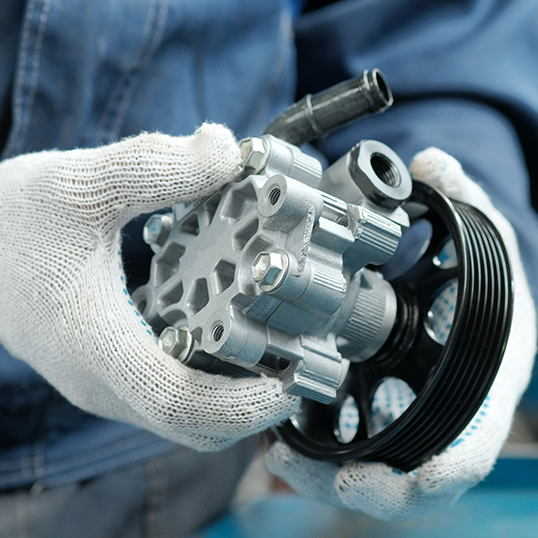
We repair or replace failing power steering pumps. Because a failing pump can damage the steering rack, addressing it early prevents bigger problems.
Hose and Line Replacement
Worn or leaking hoses and lines cause fluid loss and steering problems. Because a burst hose leaves you without power steering, we inspect and replace worn components.
Steering Rack Service
We repair or replace steering racks depending on condition. Because a failing rack affects control, proper diagnosis and repair are critical.
Belt and Pulley Service
A worn belt or pulley affects pump operation. Because the pump can’t function without proper belt tension, we inspect and replace worn components.
Related Services We Offer
Suspension Repair
Steering and suspension work together. If your vehicle needs suspension work alongside power steering repair, we provide Suspension Repair as well.
Brake Repair
If your vehicle needs brake work alongside steering repair, we provide Brake Repair as well.
Oil Change
Regular Oil Change service keeps your engine healthy and helps you avoid bigger problems down the road.
Engine Repair
If steering issues stem from engine problems, we handle Engine Repair as well.
Check Engine Light Diagnostics
If warning lights appear alongside steering issues, our Check Engine Light Diagnostics can identify the cause.
Areas We Serve
Stall One Automotive is based in Richfield, and we welcome drivers from throughout the area. If you’re nearby, we’d be glad to help with your power steering repair:
Not sure if we serve your area? Contact us and we’ll let you know.
Frequently Asked Questions
How do I know if my power steering needs repair?
Stiff steering, whining noises, fluid leaks, and loose steering are common signs. Because these symptoms can stem from different causes, proper diagnosis matters.
Can I drive with a power steering leak?
Yes, but you shouldn’t delay repair. Because low fluid leads to pump damage, addressing leaks early prevents bigger problems.
How long does power steering repair take?
Timeline varies depending on the issue. Because some repairs take hours and others require more extensive work, we’ll explain the expected timeframe before starting.
Do you work on all makes and models?
We handle most domestic and imported vehicles. If you have a question about your specific car, call and ask before you come in.
What causes power steering to fail?
Power steering fails from fluid leaks, pump wear, hose deterioration, and rack wear. Because Minnesota’s road salt accelerates corrosion, local vehicles often see power steering issues earlier than in other climates.