
Radiator Repair in St. Paul Minnesota
Radiator Repair Near St. Paul Minnesota, MN — Cooling System Help You Can Count On
Overheating doesn’t give you much warning. One moment your temperature gauge sits where it always does, and the next it’s climbing toward the red. When that happens, you need a shop that can find the cause fast and explain it clearly. At Stall One Automotive, we diagnose cooling system problems for drivers from St. Paul Minnesota and nearby communities. Because we test every component before recommending a repair, you get answers built on evidence.
If your temperature gauge is climbing or you’re losing coolant, don’t wait. Contact us to schedule a diagnostic appointment or call 952-260-1362.
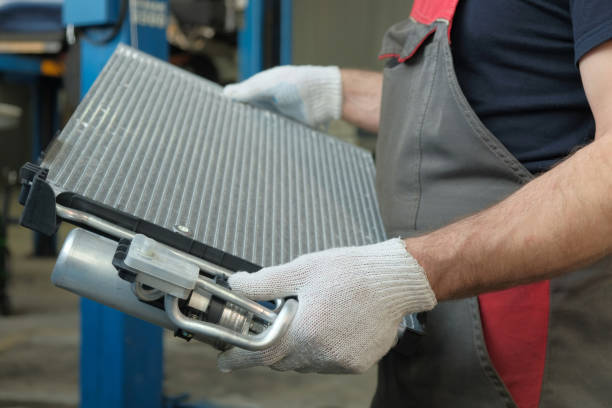
Why St. Paul Minnesota Drivers Bring Their Cooling Problems to Us
Cooling system faults don’t always announce themselves clearly. Because a bad radiator, a stuck thermostat, a failing water pump, and a leaking hose can all cause the same symptoms, guessing wastes money. We diagnose first.
Talk to the Person Doing the Work
Sam Buckner founded this shop after years of working on cars in his own garage. He’s at the shop every day, and he’s the one who will explain what’s happening with your vehicle. One customer described receiving “a full diagnostic break down that was easy to understand.” That’s how we approach every cooling system job.
Guidance You Can Actually Use
Customers from St. Paul Minnesota and nearby communities tell us they appreciate knowing what needs attention now and what can wait. One customer noted that when Sam found a repair outside his scope, he didn’t charge for the diagnostic time. Because we’d rather earn your trust than a quick sale, we tell you what we find.
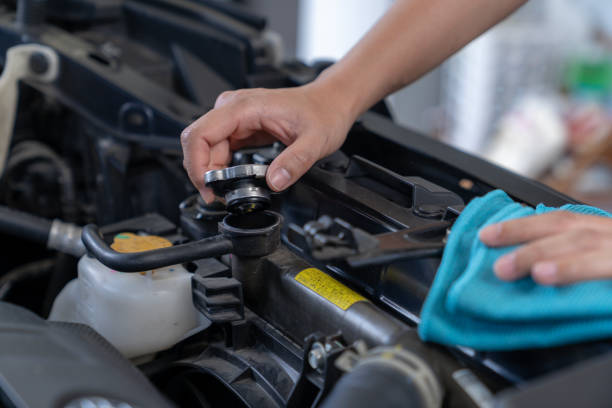
How St. Paul Minnesota Weather Wears Down Cooling Systems
St. Paul Minnesota sees the full range of Minnesota weather, and cooling systems take a beating from both extremes. Because temperatures swing from well below zero to triple digits, your radiator and related parts face year-round stress.
Freeze-Thaw Cycles Loosen Seams and Connections
When water freezes, it expands. Because Minnesota’s repeated freeze-thaw cycles stress radiator seams, hoses, and fittings, tiny leaks often develop without warning. If your coolant level drops but you can’t see where it’s going, a pressure test will reveal the source.
Road Salt Eats Radiator Fins from the Outside
Road salt corrodes radiator fins, mounting brackets, and hose clamps. Because corrosion weakens components from the outside in, we inspect for the specific damage patterns local driving creates.
Summer Heat Exposes Weak Components
When summer temperatures climb, your cooling system works its hardest. Because a radiator that barely kept up in winter may fail completely in July heat, spring is the smart time for a cooling system inspection.
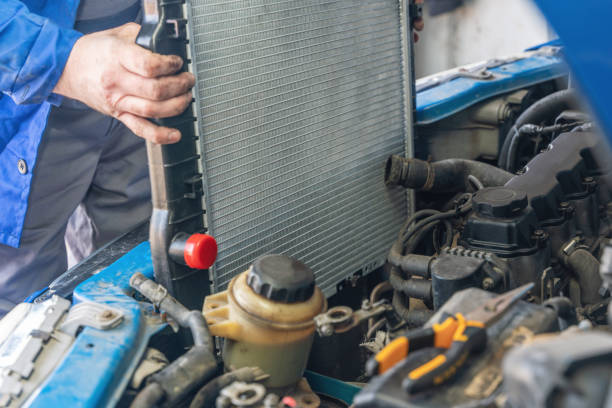
Radiator Warning Signs St. Paul Minnesota Drivers Shouldn’t Ignore
Cooling problems rarely resolve on their own. Because they escalate quickly, catching issues early often means the difference between a simple fix and major engine damage.
Temperature Gauge Climbing Above Normal
If your gauge moves past its normal range—especially toward the red zone—pull over safely and let the engine cool. Because sustained overheating can warp cylinder heads and crack engine blocks, this symptom demands immediate attention.
Coolant Pooling Under the Vehicle
Green, orange, or pink fluid under your car typically means a coolant leak. Because low coolant leads directly to overheating, addressing leaks early prevents bigger problems. If the issue connects to the AC system, we handle Auto AC Repair in-house.
Sweet Smell from the Engine Bay
Coolant has a distinct sweet odor. Because a leaking radiator or hose produces this smell, don’t ignore it. If you notice it, have the system inspected.
Coolant Level Dropping Without Visible Leaks
If you keep adding coolant but see no puddles, you may have an internal leak or a head gasket problem. Because these issues are serious, proper diagnosis matters.
Steam Rising from Under the Hood
Steam means coolant is hitting hot engine parts. Because this signals a significant leak or severe overheating, pull over safely and have the vehicle towed.
Heater Blowing Cold Air
A clogged heater core or low coolant level can leave you with a cold heater. Because the heater core relies on engine coolant, this symptom often points to a cooling system issue.
Our Diagnostic Process for St. Paul Minnesota Customers
Step 1: Tell Us What You’re Experiencing
Describe the symptoms—overheating, coolant loss, sweet smells, or steam. When does it happen? Does the temperature climb at idle or on the highway? Does the heater blow cold? Because the more detail you provide, the faster we can narrow the possibilities.
Step 2: We Test the System
We pressure-test the cooling system, inspect the radiator, check the water pump and thermostat, and test the radiator cap. Because cooling system components work together, testing one part in isolation can miss the real problem.
Step 3: You Get a Clear Explanation
Once we identify the fault, we explain what we found, what the repair involves, and what it costs. Because we document our findings, you leave with a breakdown you can actually understand.
Step 4: We Complete the Repair
With your approval, we perform the repair. If additional issues surface during the work, we contact you before proceeding.
Step 5: We Verify the Fix
After the repair, we test the system to confirm the problem is resolved. You get documentation of what was done and why.
Radiator & Cooling System Services We Provide to St. Paul Minnesota Drivers
Radiator Repair and Replacement
We repair or replace radiators depending on condition. Because a clogged or leaking radiator affects cooling efficiency, addressing it promptly protects your engine.
Coolant Flush and Fill
We flush old coolant and refill with the correct type for your vehicle. Because coolant degrades over time, regular flushes extend cooling system life.
Water Pump Service
A failing water pump prevents coolant from circulating. Because an overheating engine can suffer catastrophic damage, replacing a failing pump before it fails completely is critical.
Thermostat Replacement
A stuck thermostat can cause overheating or prevent the engine from reaching operating temperature. Because thermostats are relatively inexpensive, replacing a failing one is a smart preventive step.
Hose and Clamp Replacement
Worn hoses and clamps cause leaks and can fail suddenly. Because a burst hose leaves you stranded, we inspect and replace worn components.
Radiator Cap Testing
A failing radiator cap prevents the system from maintaining proper pressure. Because this affects cooling efficiency, we test the cap during every cooling system inspection.
Related Services for St. Paul Minnesota Vehicle Owners
Auto AC Repair
AC and cooling systems share components. If your vehicle needs AC work alongside radiator repair, we offer Auto AC Repair in-house.
Engine Repair
If overheating has caused engine damage, we handle Engine Repair as well.
Oil Change
Regular Oil Change service keeps your engine healthy and helps you avoid bigger problems down the road.
Brake Repair
If your vehicle needs brake work alongside cooling system repair, we provide Brake Repair as well.
Check Engine Light Diagnostics
If warning lights appear alongside cooling issues, our Check Engine Light Diagnostics can identify the cause.
Areas We Serve
Stall One Automotive is based in Richfield, and we welcome drivers from throughout the area. If you’re nearby, we’d be glad to help with your radiator repair:
Not sure if we serve your area? Contact us and we’ll let you know.
Questions St. Paul Minnesota Drivers Ask About Radiator Repair
How do I know if my radiator needs repair or replacement?
It depends on the condition. Because some radiators can be repaired, while others need replacement, we inspect thoroughly before recommending. We’ll explain your options and let you decide.
Can I drive with an overheating engine?
No. Because overheating can warp cylinder heads and crack engine blocks, pull over safely and let the engine cool. Have your vehicle towed if the temperature stays high.
How often should I flush my coolant?
Most manufacturers recommend a coolant flush every 30,000 to 50,000 miles. Because intervals vary by vehicle and coolant type, we follow your manufacturer’s guidelines.
What causes a radiator to fail?
Radiators fail from age, corrosion, debris, and physical damage. Because Minnesota’s road salt accelerates corrosion, local vehicles often see radiator issues earlier than in other climates.
Do you work on all makes and models?
We handle most domestic and imported vehicles. If you have a question about your specific car, call and ask before you come in.